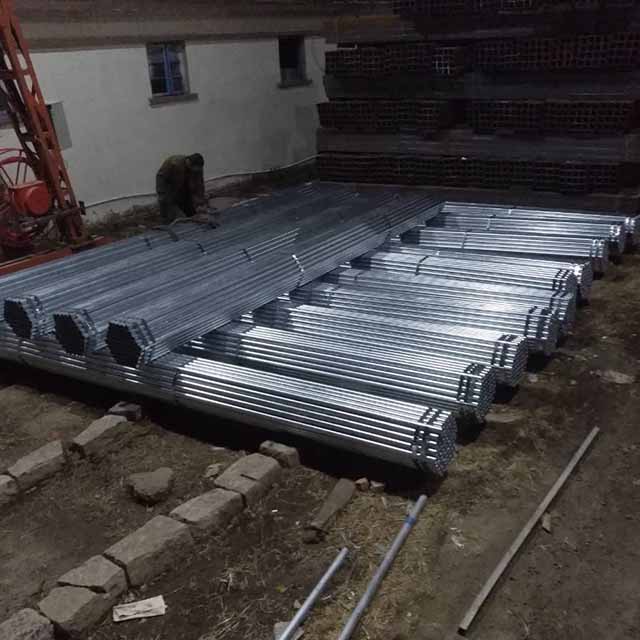
48.3 Steel Tube HDG Scaffolding Pipe
What Are The Common Lengths Of Scaffolding Steel Pipes?
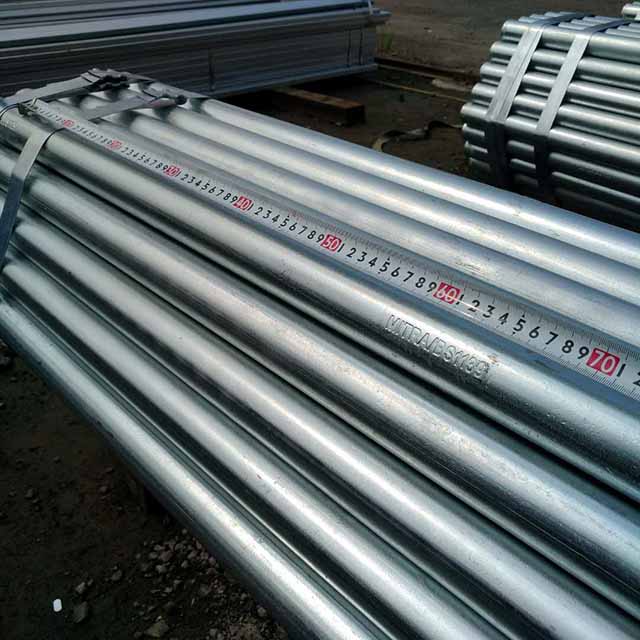
Scaffolding pipes are commonly available in lengths of 5 feet, 6 feet, 8 feet, 10 feet, 13 feet, 16 feet, and 21 feet, with the longest being 21 feet (6.4 meters). Depending on their location and function, these steel pipes can be used as uprights, horizontal bars, baseboards, scissor bracing, etc.
What Is The Surface Treatment Of Scaffolding Steel Pipes?
The surface treatment of scaffolding steel pipes typically involves coating the steel pipes with a protective galvanized layer to prevent rust and corrosion. This surface treatment helps protect the steel pipes, making them more durable in various weather conditions.
Will Scaffolding Steel Pipes Rust?
Scaffolding steel pipes are usually galvanized, which prevents corrosion and rust in humid and oxygen-rich environments. However, improper maintenance or prolonged exposure to extreme environments can still cause rust.
How Should Scaffolding Pipes Be Stored?
Scaffolding steel pipes should be stored in a dry, sheltered place.
How Strong Are Steel Scaffolding Pipes?
Scaffolding steel pipes are used to withstand heavy loads and unexpected situations. Typically, the working tensile load of scaffolding steel pipes is 79kN, approximately 8 tons.
How Are Steel Pipes Used To Construct Scaffolding Structures?
Steel pipes can be connected using scaffolding couplers to form a fixed structure.
Double Coupler: This type of coupler fixes two steel pipes vertically, typically used to connect horizontal and vertical members.
Swivel Coupler: This type of coupler fixes two steel pipes at any angle, used to connect diagonal braces and vertical members.
Sleeve Coupler: This type of coupler connects two steel pipes end-to-end, extending the length of the pipes.
Girder Coupler: Used to connect steel pipes and beams.
Board Retaining Coupler: Can fix the treads to the steel pipes, used to fix the working plane formed by the treads to the scaffolding structure.
Product Show
![Steel Pipe 07]()
![Steel Pipe 08]()
![Steel Pipe 09]()
![Steel Pipe 10]()
![Steel Pipe 11]()
![Steel Pipe 12]()
![Steel Pipe 13]()
Product Advantage
A. High quality materials, higher quality.
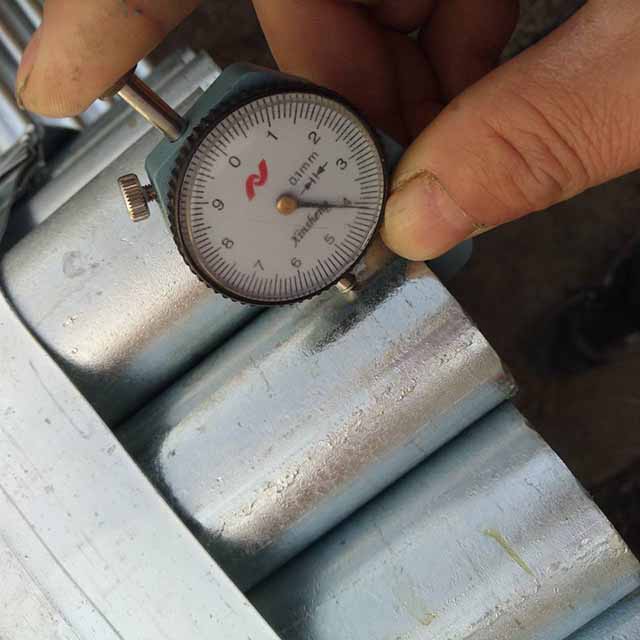
Material--The product material is Q235 or Q345 carbon steel which is higher than the standard as the raw material.
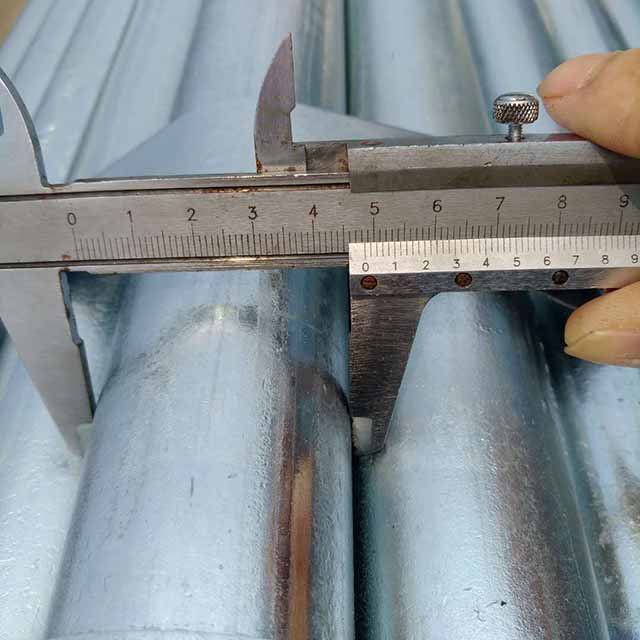
Quality assurance, not easy to crush deformation.
B. Advanced technology, better performance.
Products using advanced technology, avoid the production malpractice of old craft, causes the product the anti-deformation and the anti-stretching performance to be stronger, more fits the scaffolding.
C. Anti-rust treatment, longer service life.
After passivation and surface galvanized anti-rust treatment, it is corrosion resistance is better than the ordinary tubes, longer service life.
D. Standard production, more secure.
According to the professional design and advanced technology, all products are manufactured in strict accordance with EN74 and BS1139 standards, quality guarantee, ensure construction safety and personnel safety.