| Availability: | |
|---|---|
| Quantity: | |
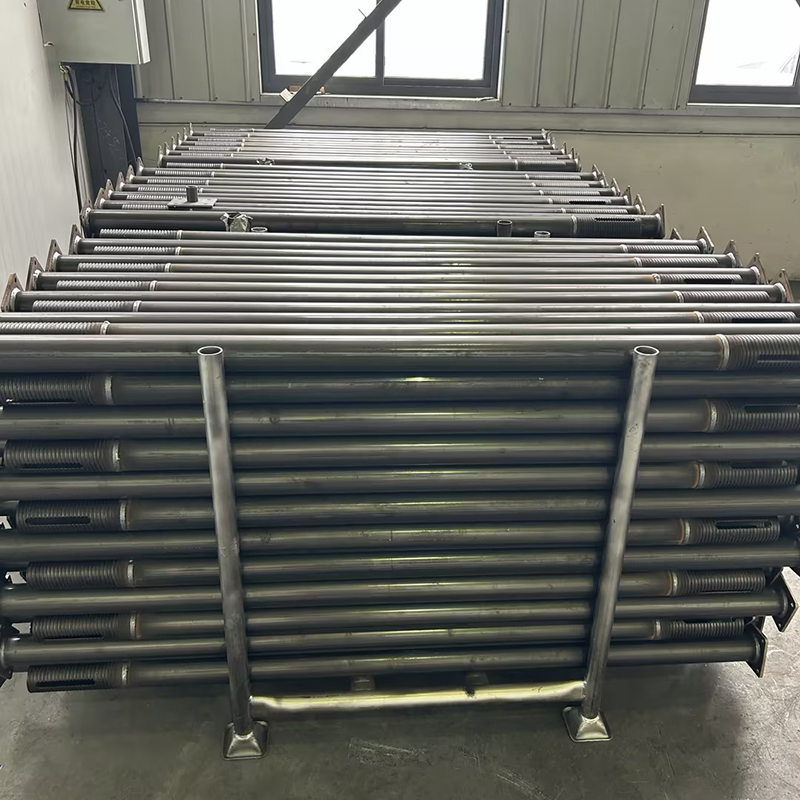
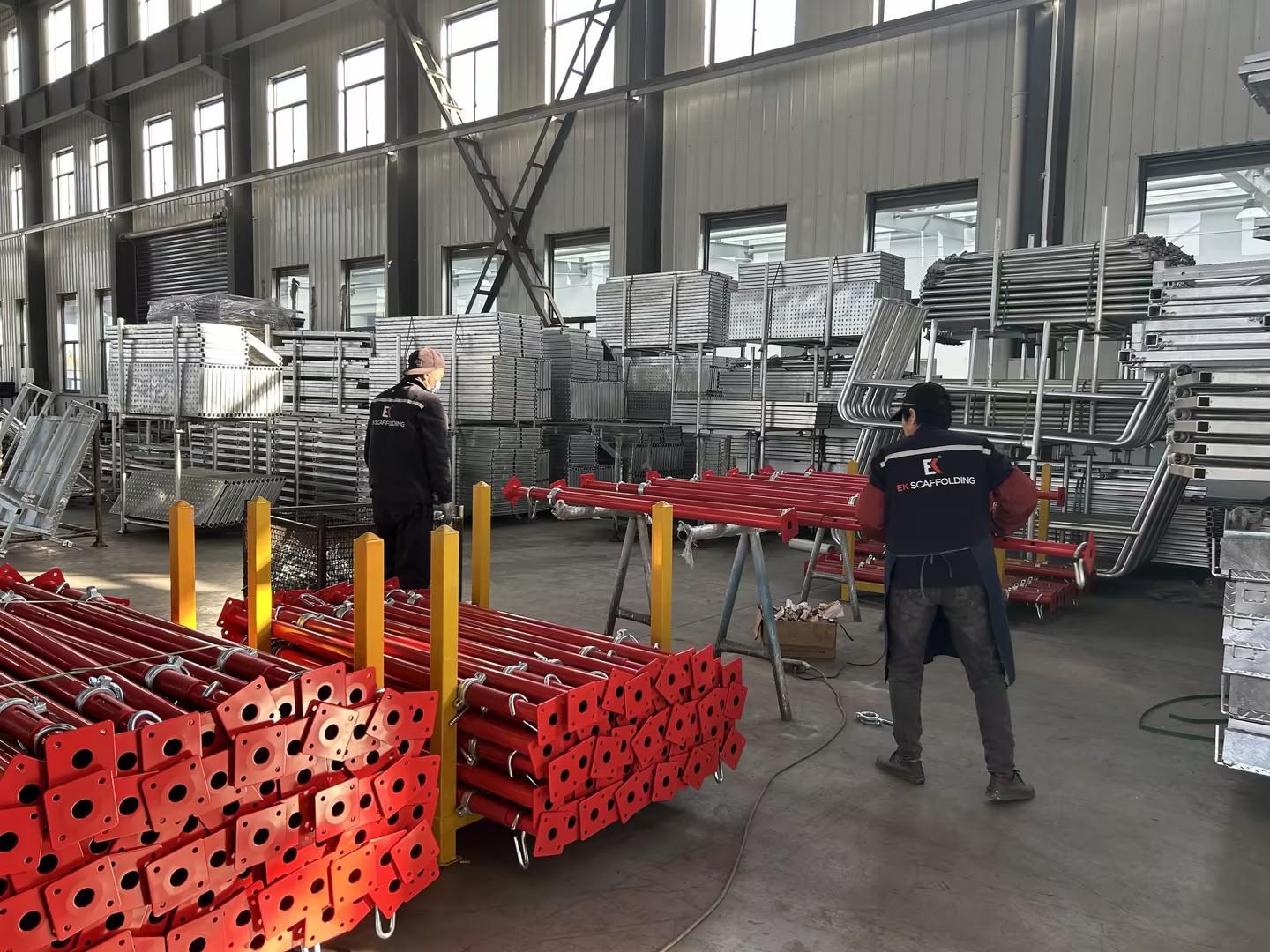
Steel Props
EK
48.3mm
Q235
Zinc-Plated
What are adjustable steel props?
Adjustable steel props are a temporary support for walls and ceilings. Adjustable steel props include steel scaffolding props, steel formwork props, and steel construction props.


Benefits of Adjustable Steel Props
Versatility: Adapts to varying heights and requirements, suitable for a variety of applications.
Increased Productivity: Quick, tool-free height adjustment saves time and increases jobsite productivity.
Cost-Effectiveness: Uses a single adjustable props for a variety of tasks and conditions, reducing the need for multiple props.
Lifespan: High-quality materials and anti-corrosion coating ensure long-term use and reduce replacement costs.
Ease of Use: Quick setup and simple operation increase jobsite efficiency.
Types of Adjustable Steel props
There are many different types of adjustable steel props. The most commonly used adjustable steel props are steel shoring props, steel acrow props, and steel post-shore props.
Adjustable Steel Props: Steel props are available with OD 40/48 and OD 48/56 inner and outer tubes, and stanchion cups.
Adjustable Steel Acrow Props: Steel formwork struts with an inner diameter of 48 mm and an outer diameter of 60 mm.
Steel Post-Shore Props: Steel struts for use in the US and Canada with an inner diameter of 63 mm and an outer diameter of 76 mm.
Steel Props FAQ
1.Q: How do I choose the right size of Steel Prop for my construction project?
A: Selection depends on the Maximum Slab Height and Slab Thickness (Dead Load). For a standard 3.0m ceiling, we recommend a prop with a range of 1.8m - 3.2m. Always ensure the required load (kN) at the maximum extension does not exceed the manufacturer's Load Chart values.
2.Q: Why are Square Threads preferred over V-Threads for scaffolding props?
A: Square Threads (or Acme Threads) are engineered for heavy-axial power transmission. Efficiency: They have zero radial force, meaning the entire load is transmitted axially along the tube. Durability: Square threads provide a larger surface area for contact, reducing thread wear and preventing the nut from "slipping" or "stripping" under extreme pressure. Self-Locking: The geometry ensures the Collar Nut remains stable under vibration.
3.Q: How to choose the right Steel Prop for a 3-meter slab height?
A: For a 3m height, we recommend our Class D Steel Props (EN 1065). With an adjustment range of 1.8m to 3.2m, it ensures a safety working load of at least 20kN at full extension.
4.Q: What is the difference between Italian Type and Spanish Type Steel Props?
A: The main difference lies in the Adjustment Nut and Thread Sleeve. Italian Type props usually feature a sleeve with a top handle for easier rotation, while Spanish Type props often use a simpler, more cost-effective nut system. Both can meet EN 1065 standards if manufactured with high-tensile Q235 steel.
5.Q: Can I use a regular steel bar as a substitute for the G-Hook safety pin?
A: Absolutely not. The G-Hook is made of high-strength tempered steel designed to resist specific Shear Forces. A regular rebar or bolt may have a lower yield strength, leading to sudden shear failure and structural collapse under heavy slab loads.
6.Q: What is the difference between Light Duty and Heavy Duty Steel Props?
A: The distinction lies primarily in tube diameter, wall thickness, and material grade.
Light Duty: Typically features a 48mm outer tube and 40mm inner tube with a wall thickness of 1.5mm to 2.0mm. Best for residential shoring.
Heavy Duty (EN 1065 Standard): Uses 60mm outer and 48mm inner tubes with thicknesses up to 4.0mm. These are designed for industrial infrastructure and high-rise slab formwork where loads exceed 20kN per point.
What are adjustable steel props?
Adjustable steel props are a temporary support for walls and ceilings. Adjustable steel props include steel scaffolding props, steel formwork props, and steel construction props.


Benefits of Adjustable Steel Props
Versatility: Adapts to varying heights and requirements, suitable for a variety of applications.
Increased Productivity: Quick, tool-free height adjustment saves time and increases jobsite productivity.
Cost-Effectiveness: Uses a single adjustable props for a variety of tasks and conditions, reducing the need for multiple props.
Lifespan: High-quality materials and anti-corrosion coating ensure long-term use and reduce replacement costs.
Ease of Use: Quick setup and simple operation increase jobsite efficiency.
Types of Adjustable Steel props
There are many different types of adjustable steel props. The most commonly used adjustable steel props are steel shoring props, steel acrow props, and steel post-shore props.
Adjustable Steel Props: Steel props are available with OD 40/48 and OD 48/56 inner and outer tubes, and stanchion cups.
Adjustable Steel Acrow Props: Steel formwork struts with an inner diameter of 48 mm and an outer diameter of 60 mm.
Steel Post-Shore Props: Steel struts for use in the US and Canada with an inner diameter of 63 mm and an outer diameter of 76 mm.
Steel Props FAQ
1.Q: How do I choose the right size of Steel Prop for my construction project?
A: Selection depends on the Maximum Slab Height and Slab Thickness (Dead Load). For a standard 3.0m ceiling, we recommend a prop with a range of 1.8m - 3.2m. Always ensure the required load (kN) at the maximum extension does not exceed the manufacturer's Load Chart values.
2.Q: Why are Square Threads preferred over V-Threads for scaffolding props?
A: Square Threads (or Acme Threads) are engineered for heavy-axial power transmission. Efficiency: They have zero radial force, meaning the entire load is transmitted axially along the tube. Durability: Square threads provide a larger surface area for contact, reducing thread wear and preventing the nut from "slipping" or "stripping" under extreme pressure. Self-Locking: The geometry ensures the Collar Nut remains stable under vibration.
3.Q: How to choose the right Steel Prop for a 3-meter slab height?
A: For a 3m height, we recommend our Class D Steel Props (EN 1065). With an adjustment range of 1.8m to 3.2m, it ensures a safety working load of at least 20kN at full extension.
4.Q: What is the difference between Italian Type and Spanish Type Steel Props?
A: The main difference lies in the Adjustment Nut and Thread Sleeve. Italian Type props usually feature a sleeve with a top handle for easier rotation, while Spanish Type props often use a simpler, more cost-effective nut system. Both can meet EN 1065 standards if manufactured with high-tensile Q235 steel.
5.Q: Can I use a regular steel bar as a substitute for the G-Hook safety pin?
A: Absolutely not. The G-Hook is made of high-strength tempered steel designed to resist specific Shear Forces. A regular rebar or bolt may have a lower yield strength, leading to sudden shear failure and structural collapse under heavy slab loads.
6.Q: What is the difference between Light Duty and Heavy Duty Steel Props?
A: The distinction lies primarily in tube diameter, wall thickness, and material grade.
Light Duty: Typically features a 48mm outer tube and 40mm inner tube with a wall thickness of 1.5mm to 2.0mm. Best for residential shoring.
Heavy Duty (EN 1065 Standard): Uses 60mm outer and 48mm inner tubes with thicknesses up to 4.0mm. These are designed for industrial infrastructure and high-rise slab formwork where loads exceed 20kN per point.
Copyright © 2016 - 2026 EK Metalwork Co.,Ltd. All rights reserved.