| Availability: | |
|---|---|
| Quantity: | |
Steel Props
EK Scaffolding
48.3mm
Q235
Hot-Dip Galvanized
1.Product Description
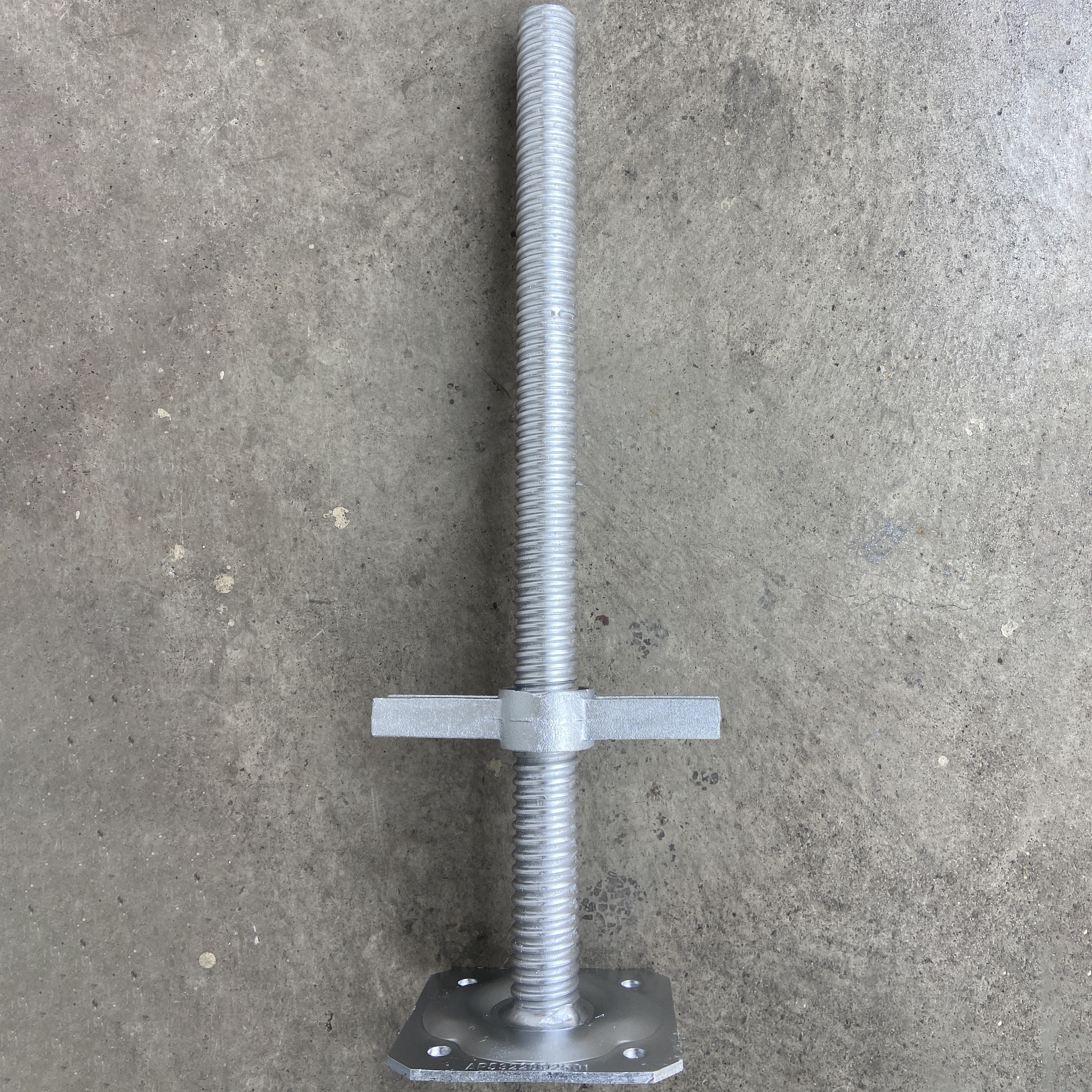
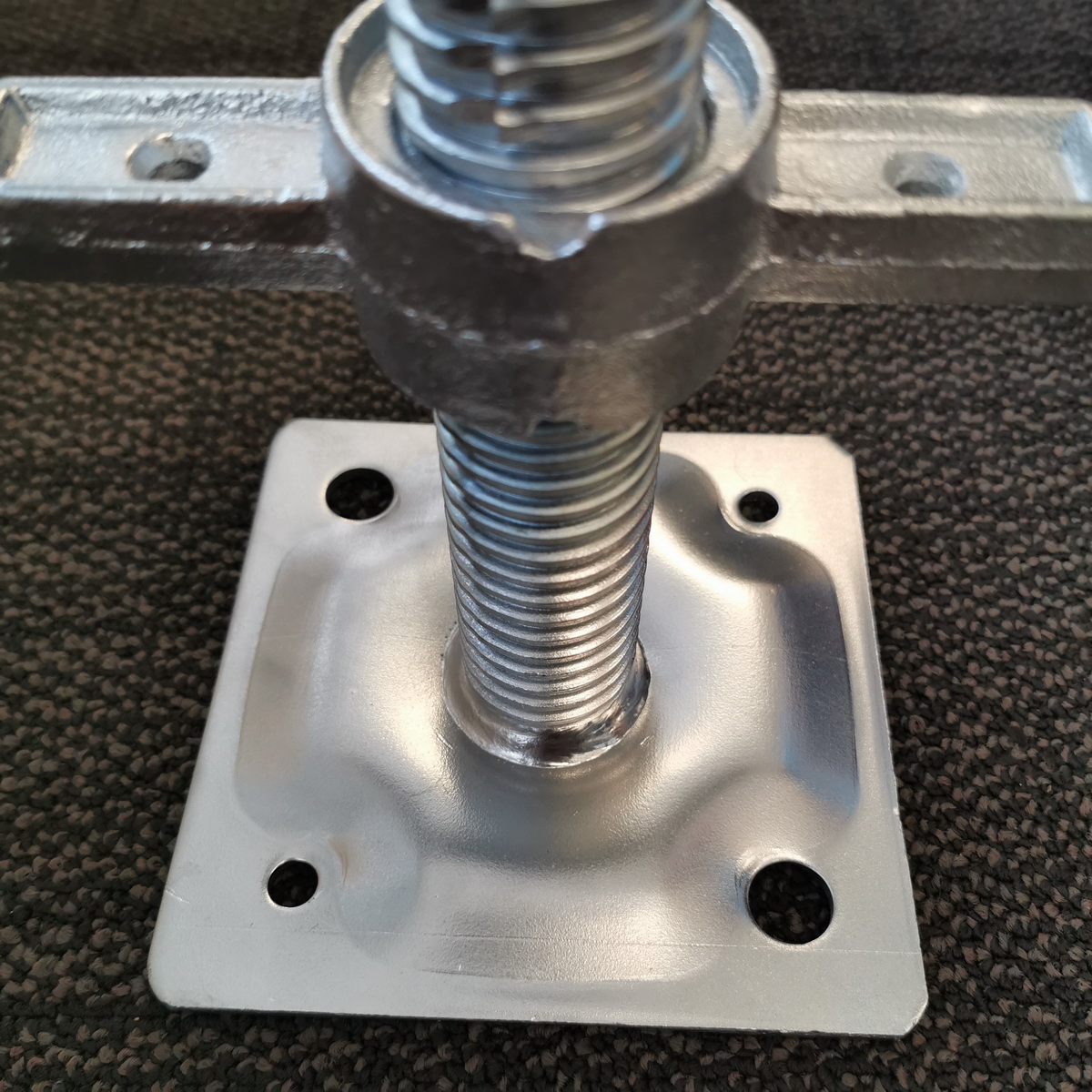
Type | U Head Screw Base Jack |
Jack Length | 300mm, 400mm, 600mm, 914mm, 1524mm or Customized |
Jack Specifications | 38mm*4mm or Customized |
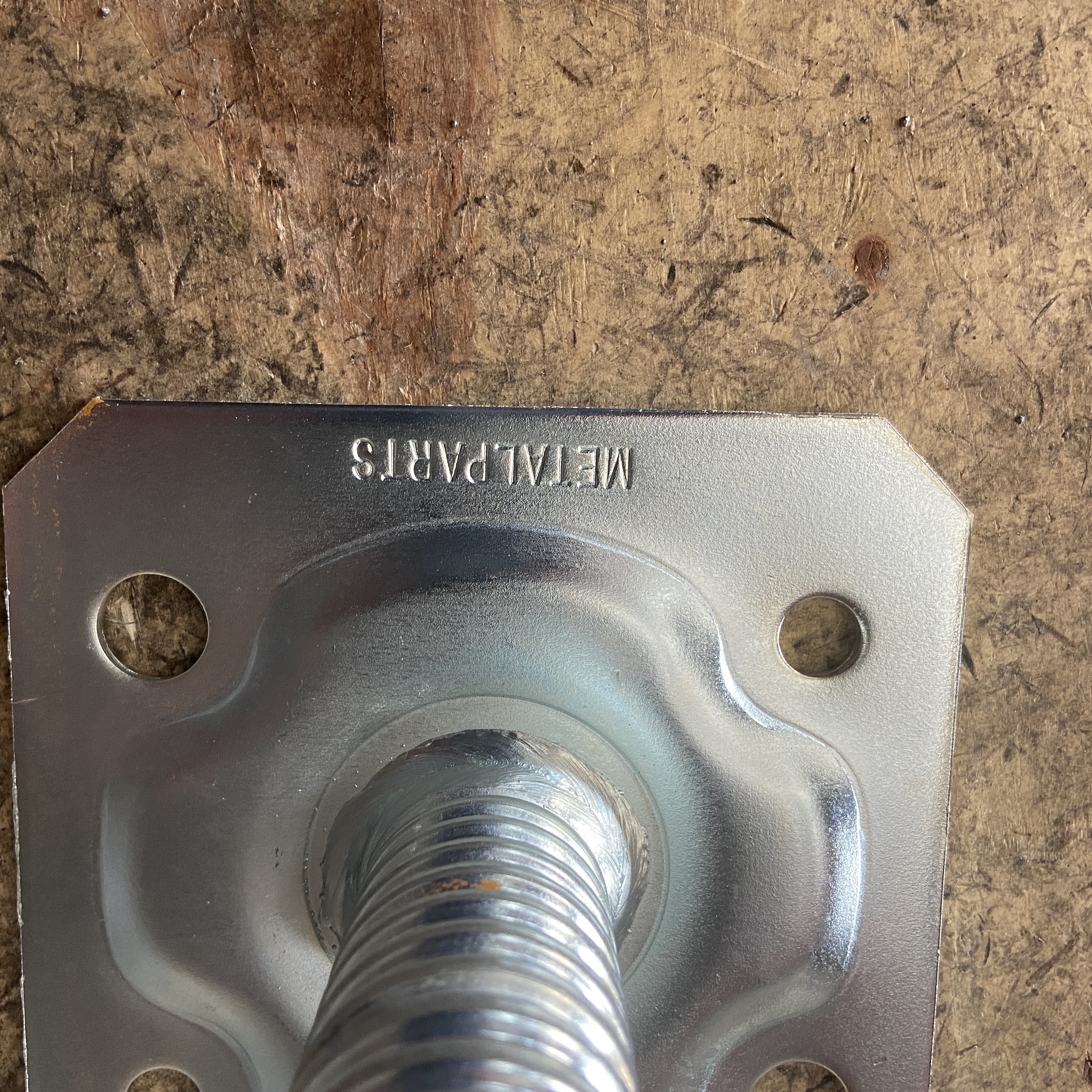
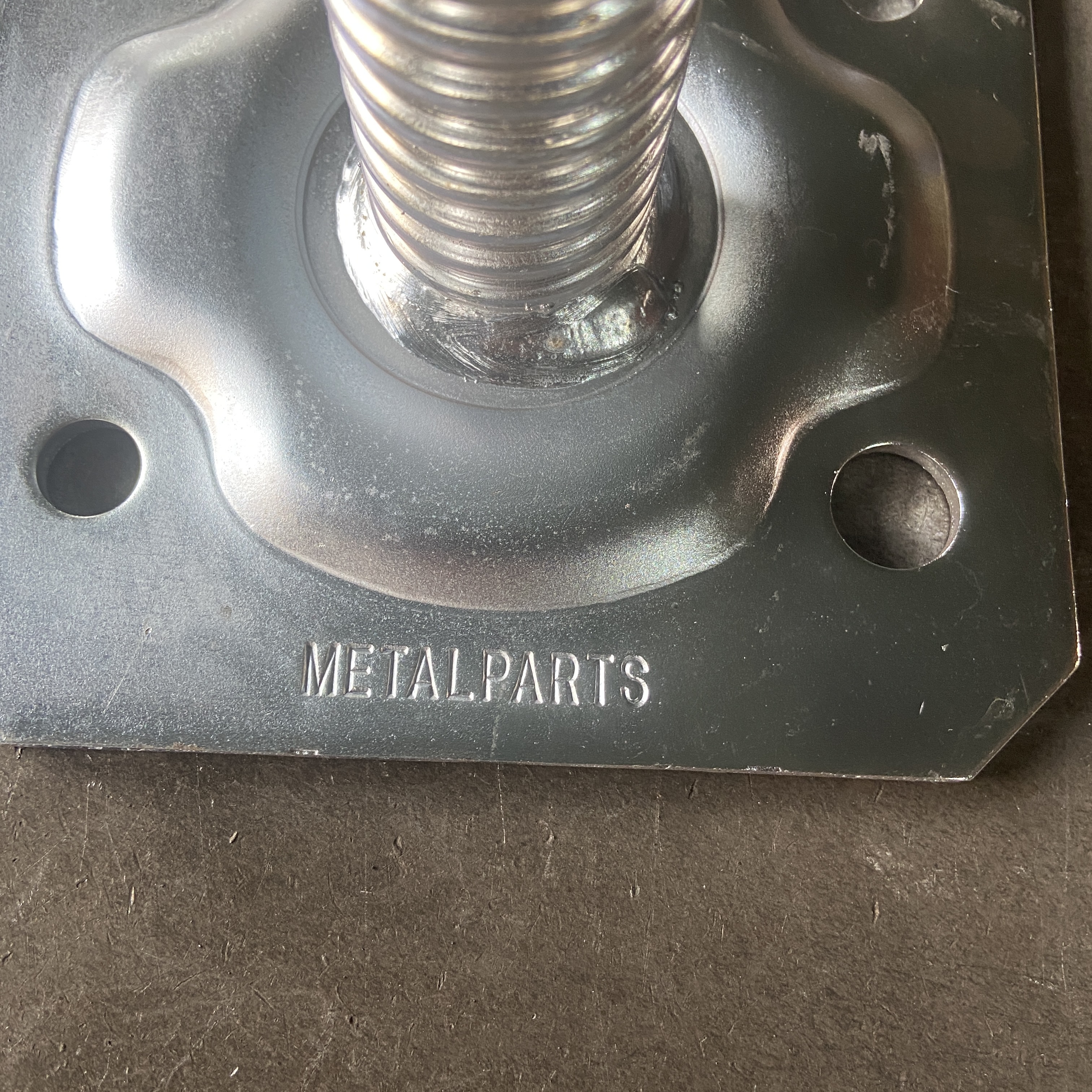
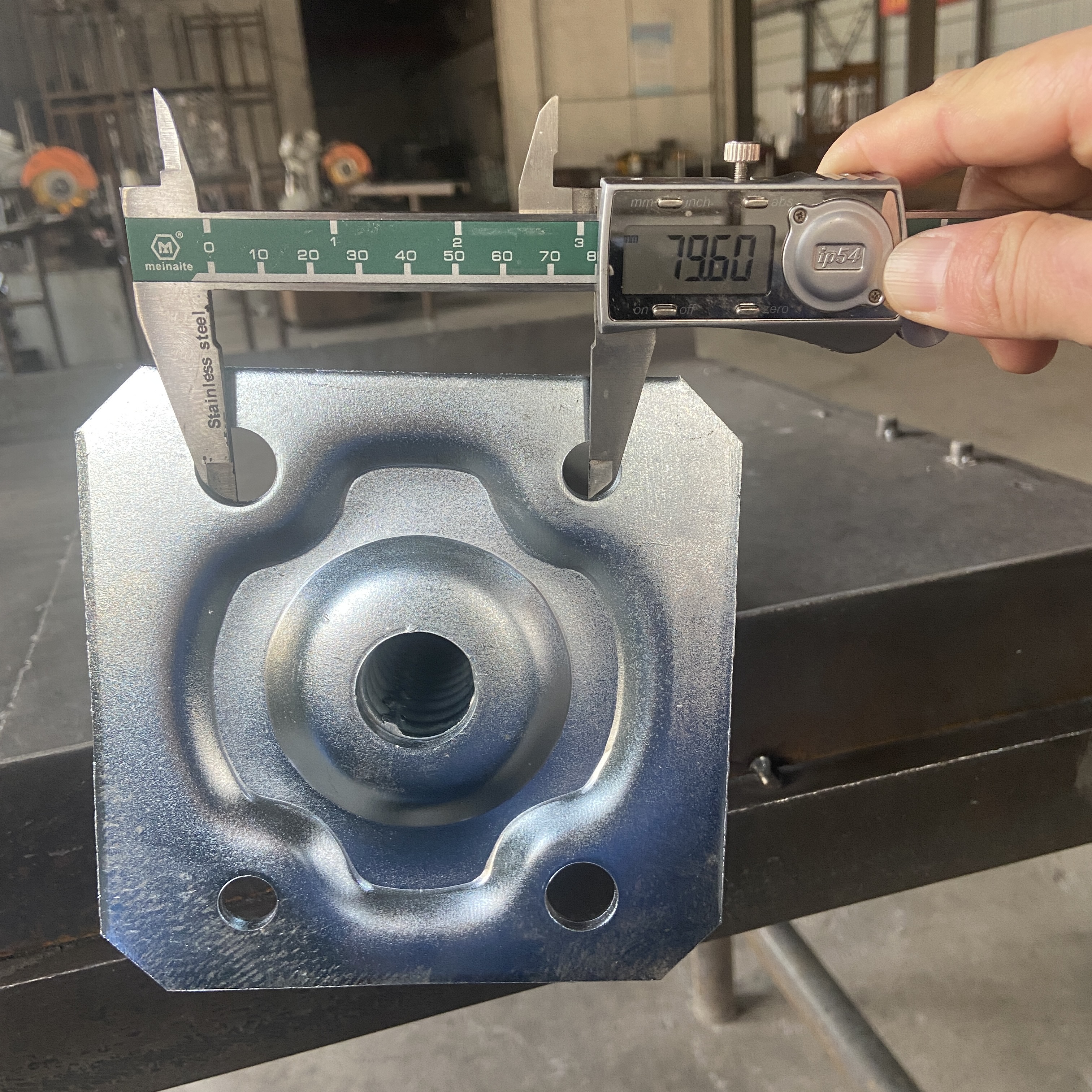
Base Specifications | 150mm*150mm*5mm or Customized |
Main Material | Q235 or Q345 |
Surface treatment | Painted, galvanized, HDG, powder coated |
Advantages | Competitive price, High-quality products, 24-hour after-sales service |
Port | Nanjing/XINGANG |
Currency | USD, RMB |
Payment | L/C, T/T, 30% in advance |
Package | Steel Pallet Or Customized |
2.Product Advantage
A. High quality materials, higher quality.
Material--The product material is Q235 or Q345 carbon steel which is higher than the standard as the raw material.
Quality assurance, not easy to crush deformation.
B. Advanced technology, better performance
Products using advanced technology, avoid the production malpractice of old craft, causes the product the anti-deformation and the anti-stretching performance to be stronger, more fits the scaffolding.
C. Anti-rust treatment, longer service life.
After passivation and surface galvanized anti-rust treatment, it is corrosion resistance is better than the ordinary tubes, longer service life.
D. Standard production, more secure.
According to the professional design and advanced technology, all products are manufactured in strict accordance with EN74 and BS1139 standards, quality guarantee, ensure construction safety and personnel safety.
How Is Base Jack Used In Scaffolding?
The scaffolding leveling jacks the scaffold tower when the tower legs are placed on surfaces of different elevations. It ensures all the legs will have (appx) equal bearing on the substrate(s) the tower rests upon.
Unless the scaffolding jack is placed on something solid, it will need dunnage underneath it to properly transfer the leg load into the soil.
It is also used to ‘fine tune’ the height of the tower itself, so that height adjustments of up to around 12″ can be achieved.
Essentially, a base jack scaffolding is a load bearing base and is used to hold standards/uprights (the vertical tubes) in place and help transfer the weight of the structure to the ground. The scaffolding base jack is used to help spread the load and has a shank in the center to hold the tube in place. To eliminate sway, a facade brace is fitted to the face of the scaffold every 30 meters. The spacing of the upright scaffolding and scaffolding screw jack is usually around every 2.1m but this can be reduced to 2m or 1.8m depending on the weight of the structure.
Base Jack FAQs
1.Q: How to calculate the load-bearing capacity of a base jack?
A: The load-bearing capacity depends on the diameter and material of the screw (e.g., Q235 or Q345 steel). The slenderness ratio must be considered in the calculation.
Note: The higher the adjustment height, the weaker its stress stability.
2.Q: Why do Base Jack screws typically use a "cold rolling" process?
A: Higher strength: Cold rolling causes work hardening in the metal, increasing the tensile strength of the thread.
Smoother surface: Compared to machining, rolled threads have a smoother surface, resulting in less resistance when adjusting the nut.
Higher material utilization: Chip-free machining better meets modern green manufacturing standards.
3.Q: Safety precautions for installing a base jack?
A: Level ground: The base plate must be in full contact with a solid surface or a wooden mat must be laid. It must not be suspended in mid-air.
No excessive length: Do not overtighten the nut to increase height, as this can cause the bolt to bend and become unstable.
Verticality: The bolt must be aligned with the axis of the upright. The tilt angle deviation should be controlled within 0.5%.
Lubrication and maintenance: Apply grease to the threaded parts regularly to prevent rust and subsequent inability to adjust.
4.Q: What are the strict prohibitions during base jack installation?
A: Prohibit excessive elongation: Do not exceed the manufacturer's specified maximum adjustment height (generally, the length of the screw remaining inside the tube should not be less than 25% of the total length).
Prohibit eccentric pressure: Ensure the upright is vertically pressed into the center of the base to avoid horizontal forces that could cause overturning.
Prohibit unstable support blocks: Wooden blocks or channel steel must be used on soft ground; never place it directly on loose soil.
5.Q: What international standards should base jacks meet?
A: Base jacks manufactured by professional companies should meet the following mainstream international standards:
EN 74-1 / EN 12811: European standards for performance testing of scaffolding accessories.
ANSI/SSFI: American Scaffolding and Formwork Association's load testing specifications for adjustable base jacks.
AS 1576: Australian/New Zealand scaffolding safety standard.
1.Product Description
Type | U Head Screw Base Jack |
Jack Length | 300mm, 400mm, 600mm, 914mm, 1524mm or Customized |
Jack Specifications | 38mm*4mm or Customized |
Base Specifications | 150mm*150mm*5mm or Customized |
Main Material | Q235 or Q345 |
Surface treatment | Painted, galvanized, HDG, powder coated |
Advantages | Competitive price, High-quality products, 24-hour after-sales service |
Port | Nanjing/XINGANG |
Currency | USD, RMB |
Payment | L/C, T/T, 30% in advance |
Package | Steel Pallet Or Customized |
2.Product Advantage
A. High quality materials, higher quality.
Material--The product material is Q235 or Q345 carbon steel which is higher than the standard as the raw material.
Quality assurance, not easy to crush deformation.
B. Advanced technology, better performance
Products using advanced technology, avoid the production malpractice of old craft, causes the product the anti-deformation and the anti-stretching performance to be stronger, more fits the scaffolding.
C. Anti-rust treatment, longer service life.
After passivation and surface galvanized anti-rust treatment, it is corrosion resistance is better than the ordinary tubes, longer service life.
D. Standard production, more secure.
According to the professional design and advanced technology, all products are manufactured in strict accordance with EN74 and BS1139 standards, quality guarantee, ensure construction safety and personnel safety.
How Is Base Jack Used In Scaffolding?
The scaffolding leveling jacks the scaffold tower when the tower legs are placed on surfaces of different elevations. It ensures all the legs will have (appx) equal bearing on the substrate(s) the tower rests upon.
Unless the scaffolding jack is placed on something solid, it will need dunnage underneath it to properly transfer the leg load into the soil.
It is also used to ‘fine tune’ the height of the tower itself, so that height adjustments of up to around 12″ can be achieved.
Essentially, a base jack scaffolding is a load bearing base and is used to hold standards/uprights (the vertical tubes) in place and help transfer the weight of the structure to the ground. The scaffolding base jack is used to help spread the load and has a shank in the center to hold the tube in place. To eliminate sway, a facade brace is fitted to the face of the scaffold every 30 meters. The spacing of the upright scaffolding and scaffolding screw jack is usually around every 2.1m but this can be reduced to 2m or 1.8m depending on the weight of the structure.
Base Jack FAQs
1.Q: How to calculate the load-bearing capacity of a base jack?
A: The load-bearing capacity depends on the diameter and material of the screw (e.g., Q235 or Q345 steel). The slenderness ratio must be considered in the calculation.
Note: The higher the adjustment height, the weaker its stress stability.
2.Q: Why do Base Jack screws typically use a "cold rolling" process?
A: Higher strength: Cold rolling causes work hardening in the metal, increasing the tensile strength of the thread.
Smoother surface: Compared to machining, rolled threads have a smoother surface, resulting in less resistance when adjusting the nut.
Higher material utilization: Chip-free machining better meets modern green manufacturing standards.
3.Q: Safety precautions for installing a base jack?
A: Level ground: The base plate must be in full contact with a solid surface or a wooden mat must be laid. It must not be suspended in mid-air.
No excessive length: Do not overtighten the nut to increase height, as this can cause the bolt to bend and become unstable.
Verticality: The bolt must be aligned with the axis of the upright. The tilt angle deviation should be controlled within 0.5%.
Lubrication and maintenance: Apply grease to the threaded parts regularly to prevent rust and subsequent inability to adjust.
4.Q: What are the strict prohibitions during base jack installation?
A: Prohibit excessive elongation: Do not exceed the manufacturer's specified maximum adjustment height (generally, the length of the screw remaining inside the tube should not be less than 25% of the total length).
Prohibit eccentric pressure: Ensure the upright is vertically pressed into the center of the base to avoid horizontal forces that could cause overturning.
Prohibit unstable support blocks: Wooden blocks or channel steel must be used on soft ground; never place it directly on loose soil.
5.Q: What international standards should base jacks meet?
A: Base jacks manufactured by professional companies should meet the following mainstream international standards:
EN 74-1 / EN 12811: European standards for performance testing of scaffolding accessories.
ANSI/SSFI: American Scaffolding and Formwork Association's load testing specifications for adjustable base jacks.
AS 1576: Australian/New Zealand scaffolding safety standard.
Copyright © 2016 - 2026 EK Metalwork Co.,Ltd. All rights reserved.